Hair Transplant Side Effects and Complications
Hair transplant surgery is generally considered a safe procedure when performed by an experienced hair restoration surgeon. However, as with any surgical procedure, patients should understand the possible hair transplant side effects, risks, and complications before undergoing treatment.
Not every patient will experience the issues described below. Many hair transplant side effects are temporary and occur as part of the normal healing process, while more serious complications are less common. The type of procedure performed, including Follicular Unit Extraction (FUE) or Follicular Unit Transplantation (FUT), can also affect the type of side effects a patient may experience.
Is a Hair Transplant Safe?
For properly selected patients, modern hair transplantation has a favorable safety profile. Most postoperative effects are mild and temporary, especially when patients closely follow their surgeon’s postoperative instructions.
However, no surgical procedure is completely without risk. Hair transplant complications can involve the donor area, the recipient area, or the body’s response to surgery. Understanding what is normal during recovery—and what may require medical attention—can help patients have a safer and more comfortable experience.
Early Hair Transplant Side Effects and Complications
Hair transplant surgery is generally safe and well tolerated. Even so, some patients can experience a range of temporary side effects as the scalp heals from graft extraction and placement. The sections below cover the most common early side effects and complications of hair transplant surgery.
Take the first step towards your hair transformation.
Fill in the form to begin your life-changing hair restoration journey today!
Pain After a Hair Transplant
There is typically limited discomfort during hair restoration surgery because local anesthesia is used. Some patients may experience soreness or pain after a hair transplant once the anesthesia wears off.
Postoperative discomfort can be more noticeable following a strip FUT procedure because a section of scalp is removed and closed at the donor site. FUE generally involves less donor-area discomfort, although soreness can still occur. Your surgeon may recommend or prescribe medication to help manage discomfort during the first few days of recovery.
Itching After a Hair Transplant
Itching after a hair transplant is a common part of the healing process and can affect both the donor and recipient areas. Patients should avoid scratching the transplanted area, particularly during the early healing period, because rubbing or scratching can irritate the scalp and potentially disturb newly placed grafts.
Keeping the scalp appropriately moisturized and following postoperative washing instructions can often help. Persistent or severe itching should be discussed with the hair transplant surgeon so the cause can be evaluated and appropriate treatment recommended.
Hair Transplant Swelling
Hair transplant swelling is another common short-term side effect. Swelling usually develops around the transplanted area and may extend to the forehead or around the eyes. When swelling occurs, it typically becomes noticeable within the first several days after surgery and then gradually improves.
Your surgeon may provide specific postoperative instructions or medications designed to reduce swelling. Patients should contact their surgical team if swelling becomes severe, continues to worsen, or is accompanied by other concerning symptoms.
Redness After a Hair Transplant
Some redness around the donor and recipient areas is expected after hair transplant surgery. This occurs as the scalp heals from the small incisions or extraction sites created during the procedure. For most patients, redness gradually improves during recovery. Patients with lighter skin tones may notice the redness for a longer period. Persistent, worsening, or painful redness—particularly when accompanied by warmth, drainage, or fever—should be evaluated by the treating physician.
Numbness After a Hair Transplant
Temporary numbness after a hair transplant can occur in either the donor or recipient area. Local anesthesia can cause temporary numbness immediately after the procedure. Some patients can also experience altered sensation as the superficial nerves of the scalp recover from surgery. Sensation generally improves over time. Persistent numbness or unusual nerve-related symptoms should be discussed with the hair transplant surgeon.
Bleeding
Minor bleeding or spotting can occur from the donor or recipient areas following hair transplant surgery. The donor area may be covered with a dressing after FUE or FUT to provide protection and gentle pressure. If minor bleeding occurs, patients may be instructed to apply gentle pressure with clean gauze. Bleeding that does not stop with gentle pressure or appears excessive should be reported to the surgical team.
Hiccups
Although unusual, hiccups have been reported following hair transplant surgery. They may last for several hours and occasionally longer. Patients experiencing persistent hiccups after their procedure should contact their physician for guidance.
Hair Transplant Infection
A hair transplant infection is uncommon, but it is a potential complication of any surgical procedure. Signs of infection may include increasing redness, warmth, tenderness, drainage, worsening pain, or other changes around the donor or recipient area.
Certain medical conditions can also influence a patient’s risk of infection. Patients should provide their surgeon with a complete medical history before surgery so any individual risk factors can be considered. If an infection is suspected, patients should contact their hair transplant surgeon rather than attempting to treat the area themselves.
Late-Onset Hair Transplant Complications
Some hair transplant complications develop days or weeks after surgery rather than immediately following the procedure.
Folliculitis After a Hair Transplant
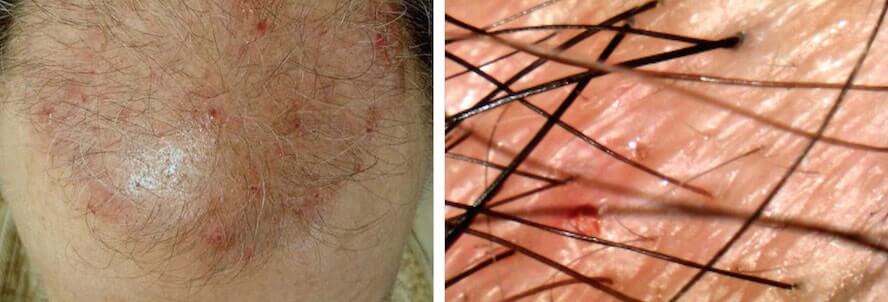
Folliculitis after a hair transplant is inflammation around the hair follicles. It can appear as small red or pimple-like bumps in the donor or transplanted area.
Mild folliculitis can occur as new hairs begin to grow through the skin and may resolve without significant treatment.
Persistent, painful, or infected lesions should be examined by the hair transplant surgeon. Treatment will depend on whether the folliculitis is inflammatory or associated with an infection.
Shock Loss After a Hair Transplant
Some patients become concerned when existing hair appears thinner following hair restoration surgery. This temporary shedding is commonly known as shock loss. Shock loss can occur when existing hair follicles temporarily enter a resting phase in response to the physical stress of surgery and healing.
In many cases, the affected follicles remain healthy and hair growth resumes over the following months. Patients with significant pre-existing hair miniaturization may have a greater risk of noticeable shedding. The surgeon may recommend appropriate medical hair-loss treatment before or after surgery depending on the patient’s individual needs.
Hair Transplant Scarring
All hair transplant surgery creates some degree of healing at the donor site, although the appearance of a hair transplant scar differs significantly between FUT and FUE.
With FUT, a narrow strip of scalp is removed from the donor area and the incision is closed, leaving a linear scar. Modern surgical closure techniques are designed to keep this scar as narrow and discreet as possible, although scar width can vary between patients.
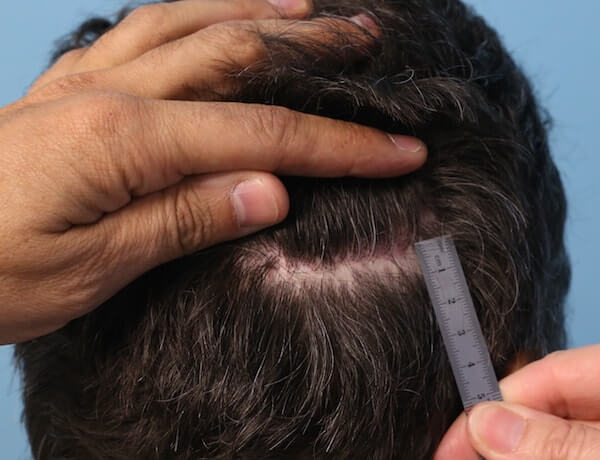
FUE does not create a linear donor scar. Instead, individual follicular units are removed through very small circular openings. Once healed, these extraction sites can leave tiny pinpoint scars that are often difficult to see when properly distributed throughout the donor area.
Hypertrophic or keloid scarring is uncommon but can occur in patients who are predisposed to developing these types of scars.
Hypopigmentation After FUE
Following FUE, some patients can develop small areas of lighter-colored skin around healed extraction sites. This is known as hypopigmentation.
These small circular spots were more noticeable when larger punches were commonly used for graft harvesting. Modern FUE techniques use much smaller extraction instruments, helping make visible pigment changes and pinpoint scarring less noticeable.
The likelihood and visibility of hypopigmentation can vary depending on skin tone, punch size, healing characteristics, and the number and distribution of grafts removed.
FUE vs. FUT Hair Transplant Side Effects
Both FUE and FUT can produce temporary postoperative effects such as swelling, itching, tenderness, numbness, folliculitis, and shock loss. However, some complications differ because of the way donor hair is harvested.
FUT side effects and risks may include:
- A linear donor-area scar
- Greater donor-area tightness or soreness during early recovery
- Wound-healing complications
- Temporary numbness around the donor incision
FUE side effects and risks may include:
- Small pinpoint donor scars
- Hypopigmentation around extraction sites
- Temporary donor-area tenderness or numbness
- Reduced donor density if too many grafts are removed from a concentrated area
Choosing the appropriate technique depends on factors including the patient’s hair-loss pattern, donor supply, hairstyle preferences, scalp characteristics, and long-term hair restoration goals.
Both FUE and FUT can produce temporary postoperative effects such as swelling, itching, tenderness, numbness, folliculitis, and shock loss. However, some complications differ because of the way donor hair is harvested. Patients who are still comparing the two techniques can also review our guide to FUE vs. FUT hair transplant procedures.
Are There Long-Term Hair Transplant Side Effects?
Most hair transplant side effects are temporary and improve as the scalp heals. Swelling, itching, tenderness, redness, and temporary shedding usually occur during the early stages of recovery.
Long-term hair transplant complications are less common but can include visible scarring, persistent changes in sensation, donor-area thinning, or cosmetic concerns related to graft placement or hairline design. Careful surgical planning is important because a hair transplant creates lasting changes to both the donor and recipient areas.
If a patient is unhappy with the appearance of a previous procedure, a hair transplant repair may be considered to address issues such as visible scarring, unnatural hairline design, or poor graft placement.
When Should You Contact Your Hair Transplant Surgeon?
Patients should follow the postoperative instructions provided by their surgical team and contact their surgeon whenever recovery does not appear to be progressing as expected.
Contact your hair transplant surgeon promptly if you experience symptoms such as:
- Bleeding that does not stop with gentle pressure
- Increasing rather than improving pain
- Significant or worsening redness
- Drainage or signs of infection
- Severe or rapidly worsening swelling
- Persistent numbness or unusual scalp sensations
- Painful or persistent folliculitis
- Any other unexpected change in the donor or recipient area
Early evaluation can help determine whether a symptom is part of normal healing or requires treatment.
Reducing the Risk of Hair Transplant Complications
One of the most important ways to reduce hair transplant risks is to choose a qualified and experienced hair restoration surgeon.
Proper patient selection, thoughtful donor-area management, careful graft handling, appropriate surgical technique, and detailed postoperative care can all help reduce the likelihood of complications.
Patients should also provide a complete medical history before surgery and carefully follow all preoperative and postoperative instructions.
Understanding the potential side effects of hair transplant surgery allows patients to approach their procedure with realistic expectations and recognize when they should contact their medical team during recovery.