Hair Transplants For Women
Hair loss can look very different in women than it does in men. Instead of a clearly receding hairline or bald spot, women may notice a widening part, thinning around the temples, reduced density across the top of the scalp, or changes to the shape of the hairline. When the hair loss is permanent and there is enough healthy donor hair, a hair transplant may help restore density in thinning areas.
A female hair transplant uses a patient’s own growing hair follicles, typically taken from the back or sides of the scalp, and places them into areas affected by thinning or hair loss. The goal isn’t simply to add more hair, but to create natural-looking coverage that complements the patient’s existing hair pattern, density, and hairline.
However, not every type of female hair loss is suited to surgery. The cause of the thinning, the stability of the hair loss, and the quality of the donor area all play an important role in determining whether a transplant is the right option. That is why the first step is understanding who can benefit from a female hair transplant and who may be better served by another treatment.
Can Women Get Hair Transplants?
Yes, women can get hair transplants, but candidacy depends on the type and pattern of hair loss. Because women often experience more diffuse thinning, evaluating the donor area and identifying the cause of hair loss is especially important.
A female hair transplant is most effective when there is enough healthy, stable donor hair to restore thinning areas naturally.
Who Is a Good Candidate for a Female Hair Transplant?
Take the first step towards your hair transformation.
Fill in the form to begin your life-changing hair restoration journey today!
Good candidates typically have permanent or stable hair loss along with sufficient healthy donor hair at the back or sides of the scalp. Women with a naturally high hairline, thinning around the temples, localized areas of hair loss, or certain patterns of female pattern hair loss may be candidates for transplantation.
Candidacy also depends on the quality and density of the donor hair, the extent of thinning, and the likelihood of continued hair loss. The goal is to make sure enough donor follicles are available to create an improvement without noticeably thinning the donor area.
When a Hair Transplant May Not Be the Right Treatment
A hair transplant isn’t the best solution for every woman experiencing thinning hair. Women with widespread or rapidly progressing hair loss may not have a sufficiently stable donor area for transplantation. Surgery may also be inappropriate when hair loss is temporary or related to an underlying condition that should be addressed first.
In these cases, identifying and treating the cause of the hair loss may be more appropriate than immediately considering surgery. This is one reason a thorough diagnosis is an important part of the female hair transplant process.
What Causes Hair Loss in Women?
Hair loss in women can have several causes, and the pattern of thinning can provide important clues about what is happening. Some forms of hair loss are permanent and progressive, while others may be temporary or related to an underlying medical or hormonal issue. Identifying the cause is especially important before considering a hair transplant.
Female Pattern Hair Loss
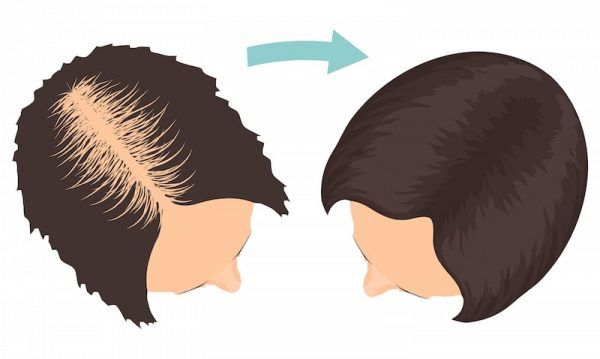
Female pattern hair loss is one of the most common causes of thinning in women. It often develops gradually, with a widening part or reduced density across the top and crown of the scalp rather than a distinct bald area. Genetics play an important role, and hormonal changes may also contribute.
Because female pattern hair loss can continue to progress, the extent of thinning and the stability of the donor area should be considered when planning a transplant.
Diffuse Thinning and Other Causes of Hair Loss
Not all female hair loss follows a predictable pattern. Some women experience diffuse thinning across much of the scalp or increased shedding after illness, significant stress, childbirth, hormonal changes, or other physical changes. Thyroid disease, iron deficiency, certain medications, and other medical conditions can also contribute to hair loss.
Diffuse thinning is particularly important to evaluate because it can also affect the areas that would normally be used as donor hair for transplantation.
Why Diagnosis Matters Before Surgery
A hair transplant moves existing healthy follicles. It doesn’t correct the underlying cause of hair loss. Before surgery, the pattern and cause of thinning should be evaluated to determine whether the donor hair is stable enough for transplantation and whether continued hair loss could affect the long-term appearance of the result.
For some women, treating or stabilizing the underlying hair loss first may be more appropriate than moving directly to surgery.
How Does a Female Hair Transplant Work?
A female hair transplant moves healthy hair follicles from areas of stronger growth to parts of the scalp where hair has permanently thinned. The procedure is carefully planned around the patient’s existing hair, pattern of thinning, donor supply, and desired density so the transplanted hair blends naturally with the surrounding hair.
FUE Hair Transplant for Women
With Follicular Unit Extraction (FUE), individual follicular units are removed from the donor area and transplanted into areas where additional coverage is needed. For women, careful donor-area evaluation is particularly important because thinning can sometimes extend into areas that would traditionally be used for harvesting.
Donor Hair Selection and Graft Placement
The donor area is a limited resource, so the surgeon must determine how many healthy follicles can be safely harvested without creating noticeable thinning. The selected grafts are then placed strategically to improve coverage while following the natural direction and pattern of the existing hair.
Female Hairline Design
When the hairline is being restored, design is just as important as density. Female hairlines often have softer contours, so the position, shape, and placement of individual grafts should be customized to the patient’s facial proportions and existing hairline. For women looking to change the position or shape of a naturally high hairline, female hairline lowering may also be considered as part of the treatment plan.
Female Hair Transplant Cost and Recovery
The cost and recovery process for a female hair transplant can vary depending on the extent of hair loss, the number of grafts needed, and the treatment plan. These details are typically discussed during the consultation once the donor area and areas of thinning have been evaluated.
How Much Does a Female Hair Transplant Cost?
Female hair transplant cost is influenced by factors such as the number of grafts required, the size of the treatment area, and the complexity of the procedure. Because every pattern of female hair loss is different, an accurate estimate usually requires an individualized evaluation.
Female Hair Transplant Recovery
Recovery is generally similar to other hair transplant procedures. Temporary swelling, tenderness, or mild discomfort can occur after surgery, and patients are given specific instructions for caring for both the donor and recipient areas while the grafts heal.
Most patients can gradually return to normal light activities as the scalp heals, although the exact timeline depends on the procedure and individual recovery.
What to Expect After the Procedure
During the early healing period, the transplanted area may appear slightly red or swollen, and small crusts can form around the grafts. The transplanted hairs may also shed during the weeks following surgery before new growth begins, which can be a normal part of the process.
Following the surgeon’s care recommendations is important for protecting the newly transplanted grafts as the scalp heals. Patients can also review what to expect after a hair transplant for a closer look at the early recovery period and healing process.
Other Hair Loss Treatment Options for Women
A hair transplant is not the only option for treating female hair loss. Depending on the cause and extent of thinning, medical or non-surgical treatments may be recommended on their own or used to help stabilize hair loss before considering surgery.
Medical Hair Loss Treatments
Minoxidil is one of the most commonly recommended treatments for female pattern hair loss and may help slow further thinning or encourage hair growth in some women. Depending on the diagnosis, a physician may also consider prescription medications or other therapies as part of an individualized treatment plan.
When Non-Surgical Treatment May Be Recommended
Non-surgical treatment may be a better first step when hair loss is still progressing, the donor area is not suitable for transplantation, or the thinning is related to a condition that should be treated first. In some cases, stabilizing the hair loss can also help determine whether a transplant may be appropriate later.
Female Hair Transplant FAQs
Is a Female Hair Transplant Permanent?
Yes. Transplanted hair is intended to be permanent because the follicles are taken from areas of the scalp that are more resistant to hair loss. Once the transplanted follicles heal, they can continue producing hair in their new location.
However, a hair transplant does not prevent the patient’s existing, non-transplanted hair from thinning in the future. For this reason, some women may also benefit from ongoing treatment to help maintain their natural hair.
Do Women Have to Shave Their Hair for a Hair Transplant?
Not necessarily. Depending on the technique and treatment plan, FUE can be performed with a full shave, partial shave, or in some cases without shaving the donor area. For women who prefer to keep their existing hair long, a partial or non-shaven approach may help conceal the donor area during recovery.
Can a Female Hair Transplant Increase Hair Density?
It depends. A hair transplant can make thinning areas look fuller by moving healthy hair follicles from a donor area to areas that need more coverage. However, the procedure uses a limited supply of donor hair, so the amount of density that can be added depends on how much healthy donor hair is available and how large the thinning area is.
Can a Hair Transplant Fix a Widening Part?
In some women, yes. If the widening part is caused by permanent thinning and there is a stable supply of healthy donor hair, grafts can be placed between existing hairs to improve coverage through the part and top of the scalp. The surgeon has to plan carefully around the existing follicles so the transplanted hair blends naturally with the surrounding hair.
Will Transplanted Hair Grow and Style Like My Normal Hair?
Yes. Once transplanted follicles begin producing new hair, that hair can be washed, cut, colored, and styled like the rest of your natural hair. The new growth develops gradually, so it can take several months before the transplanted hair begins to noticeably blend with the surrounding hair.