Scalp Hair Miniaturization
Hair miniaturization is a phenomenon in which individual hairs shrink over time to become thinner, finer, and lighter in color. Hair also becomes more brittle, so it breaks easily.
Scalp hair miniaturization is the main cause of visible hair loss in those with pattern baldness, and is often considered the earliest stage of hair loss. It develops when hair follicles shrink over time. Fortunately, the early stages of hair follicle miniaturization may still be treatable. Hair transplants involve moving hair follicles from donor areas of dense hair to areas of thinning hair shafts. Hair transplant surgeons assess hair miniaturization to determine if the donor hair follicles are healthy enough to provide good results.

Take the first step towards your hair transformation.
Fill in the form to begin your life-changing hair restoration journey today!
What Is Hair Miniaturization?
Hair grows in cycles, and hair miniaturization occurs over several hair growth cycles. In its earliest stages, scalp hair miniaturization is often hard to see without a professional evaluation.
Causes Hair Miniaturization
Age, genetics, and hormones contribute to hair follicle miniaturization. Hair miniaturization and pattern baldness is more common in older people, for example, and they can be passed from one generation to the next.
Reproductive hormones can build up in the scalp, where they shrink hair follicles and cause the hair to become finer, shorter, and lighter. In time, you’ll be able to see your hair go from thick and luscious to thin, barely visible strands.
The Role of DHT
Hormones bind to receptors to cause changes in body tissue. Dihydrotestosterone (DHT) is a type of male sex hormone, known as an androgen, which can bind to androgen receptors in hair follicles. Binding to these receptors shrinks the follicles, shortens the hair growth cycle, and leads to weaker, finer strands over time.
Genetics and Pattern Hair Loss
Also known as male patterned baldness or female pattern baldness, androgenetic alopecia is the most common cause of hair loss. It typically causes a receding hairline and thinning at the crown. Men and women who inherit the gene that causes androgenetic alopecia also inherit sensitivity to DHT.
Aging and Other Factors
Aging can accelerate the process triggered by hormones and genetics. Throughout the years, hormone levels and sensitivity to those hormones can change. Estrogen levels can drop in women, for example, leaving follicles vulnerable to the effects of androgen. Sensitivity to DHT increases in aging men and women, although individual response to DHT sensitivity varies.
Normal and Abnormal Miniaturization Study
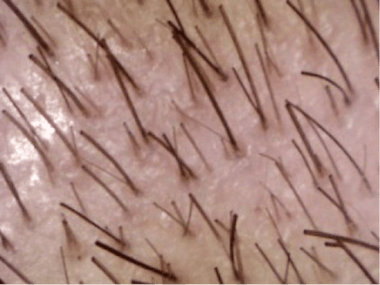
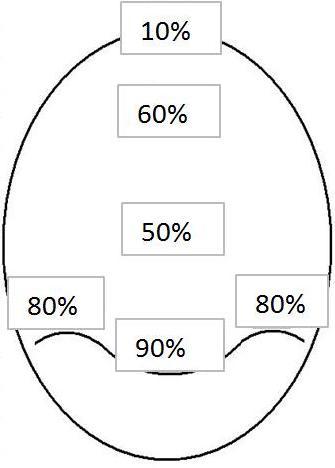
While microscopic evaluation of the hair and the scalp is a great help when it comes to determining the miniaturization rate of human hair, the beginning of balding in patients is normally not too obvious to the average person unless significant miniaturization is present. In general, baldness is not apparent on a patient until more than 70% of the hair has become miniaturized. Because of this, a miniaturization study is a vital first step in assessing the extent of hair loss in a patient. In addition, it could be a great predictor for future patterns and classes of balding. Patients in the active phase of hair loss usually show significant hair miniaturization.
During a miniaturization study conducted by the medical team at Parsa Mohebi Hair Restoration, we map the patient’s scalp with a microscope before starting a specific medical treatment or planning a hair transplant procedure. This information can help reduce the risk of shock loss after your transplant.
Early Signs of Hair Miniaturization
Miniaturization often begins before visible balding. While hair follicle miniaturization is hard to spot, especially in the beginning, there may be signs. You may notice thinning at your temples or crown, or a receding hairline. You may notice hair in the sink or shower; your scalp may be more visible and your part may seem wider. Your hair may feel softer, finer, or weaker.
Treatment Options for Hair Miniaturization
Medical Treatments
Certain medicines can treat hair miniaturization. Finasteride and other medications can block DHT, for example, while minoxidil and other topical treatments increase blood supply to the follicles.
Hair Transplant
Hair transplant is an option for more progressive stages of hair miniaturization. During a hair transplant, your surgeon moves hair follicles from areas of dense hair to areas of thinning hair.
Several transplant treatment options are available; our hair surgeons can help you determine which procedure is right for you. Treatments like Follicular Unit Extraction (FUE) or Follicular Unit Transplantation (FUT) can be effective ways to restore your hair.
How to Know If You Are a Good Candidate?
The hair transplant team at Parsa Mohebi Hair Restoration can help you decide if you are a good candidate for a procedure.
Clinical Evaluation
We start by performing an assessment of your hair density and thinning patterns. We’ll use state-of-the-art tools, such as the Norwood scale, to determine the stage of miniaturization.
Premium Diagnostic Tools
A professional diagnosis is essential for treating hair miniaturization. Your team at Parsa Mohebi Hair Restoration uses premium diagnostic tools, such as high-magnification cameras for microscopic scalp analysis to examine hair follicles, to aid in this diagnosis. We’ll measure variations in hair diameter, as these provide valuable information about hair miniaturization. Finally, we’ll identify miniaturized follicles to detect miniaturization early.
Hair Miniaturization FAQs
Our patients often ask questions. Here are some of the most commonly-asked questions and their answers.
What is Hair Miniaturization vs. Hair Thinning?
Hair miniaturization is a process in which hair follicles shrink, which can cause hair thinning. In other words, all hair miniaturization causes hair thinning, but not all hair thinning is due to miniaturization.
How Do I Know if My Hair Follicles Are Shrinking?
In the latest stages of hair miniaturization, you may notice thinning hair shafts. However, only a hair specialist can determine if you have shrinking hair follicles in the early stages of miniaturization.
Can Miniaturized Hair Grow Back?
Miniaturized hair can grow back, but only if identified and treated early.
Is Miniaturization Permanent?
Hair miniaturization is not permanent if treated early.
What Treatments Work Best for Early Hair Loss?
Topical minoxidil (Rogaine), finasteride (for men), and low-level light therapy can help treat early hair loss.
Schedule Your Microscopic Examination
A microscopic examination of your scalp is the best first step in identifying and treating hair miniaturization, before it becomes obvious.
If you are experiencing hair thinning and wondering how to stop hair miniaturization, the transplant professionals at Parsa Mohebi Hair Restoration can help. For more information, schedule a consultation with Parsa Mohebi Hair Restoration today.