Dr. Parsa Mohebi Shares Innovative Hair Transplant Techniques at the 10th AAHRS Scientific Meeting
Dr. Parsa Mohebi, founder of Parsa Mohebi Hair Restoration, participated as invited faculty at the 10th Scientific Meeting of the Asian Association of Hair Restoration Surgeons (AAHRS), held August 7–9, 2026, in Chiang Mai, Thailand. Dr. Mohebi delivered two scientific presentations, participated in a panel discussion on difficult hair transplant cases, and served as faculty during the hands-on workshop. His lectures and panel participation were well received and provided an opportunity to exchange ideas with leading hair restoration surgeons from around the world.
An International Exchange in Hair Restoration
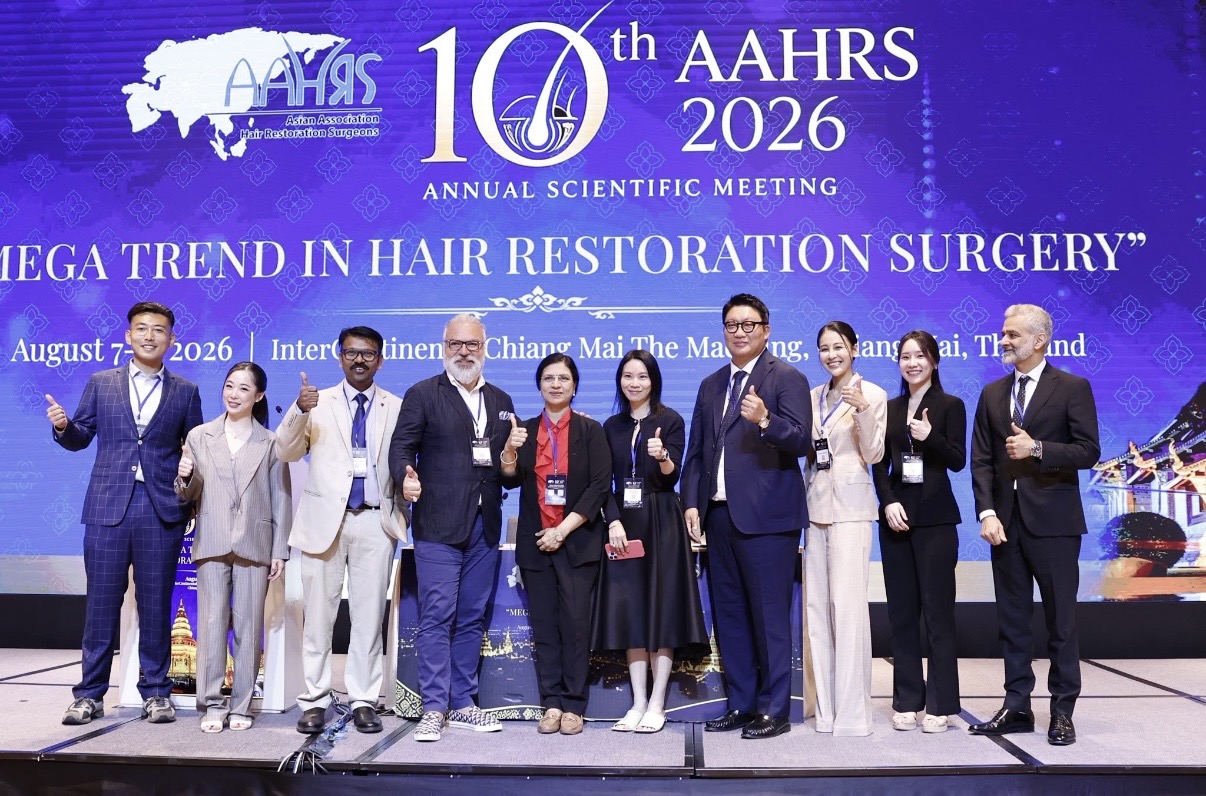
The AAHRS meeting brought together physicians from the United States, Asia, Europe, and other regions to discuss advances in FUE, female hair transplantation, repair surgery, donor management, regenerative medicine, robotics, and emerging technologies. The theme of the meeting was “Mega Trend in Hair Restoration Surgery.”
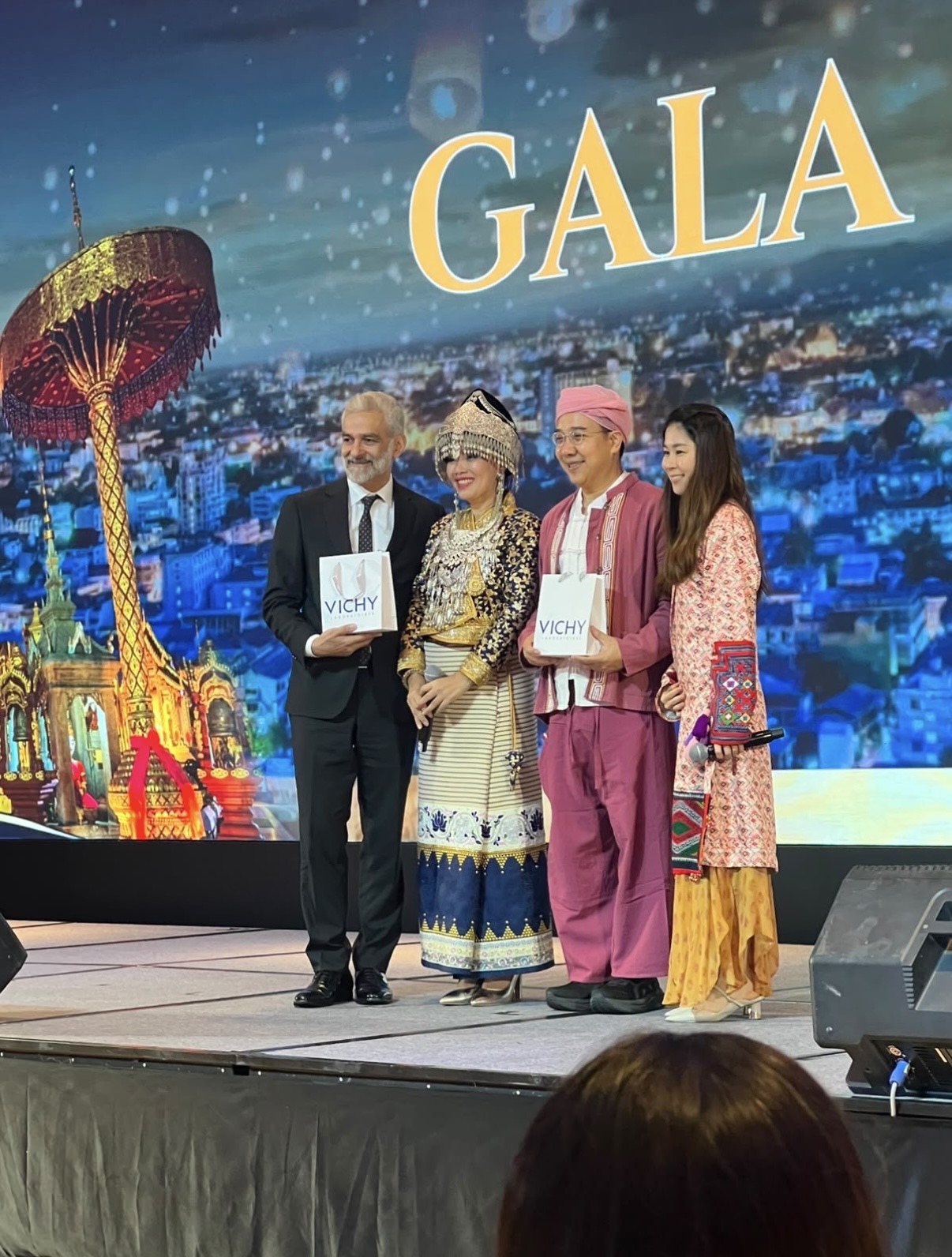
For Dr. Mohebi, the meeting provided an opportunity not only to share techniques developed through years of clinical experience but also to learn from surgeons who regularly work with different hair types and patient populations.
Hair Transplant Repair Cases
Dr. Mohebi’s first lecture, “Hair Transplant: Repair Cases,” was presented during the session on complications and their management.
Repair surgery is one of the more challenging areas of hair restoration. Patients may present with unnatural hairlines, poor graft distribution, inappropriate hair direction, visible scarring, or limited remaining donor supply after previous procedures.
Dr. Mohebi discussed approaches developed through his experience treating complex repair patients. One of the important principles is that successful hair growth alone does not necessarily mean a successful hair transplant. The ultimate objective is to create a natural appearance while considering the patient’s remaining donor supply and the possibility of future hair loss.
The presentation generated valuable discussion among participating surgeons about strategies for correcting difficult previous procedures.
Simultaneous Extraction and Placement (SEP)
On the second day, Dr. Mohebi presented “Simultaneous Extraction and Placement (SEP)” during the session on advanced FUE techniques.
SEP reorganizes the traditional FUE workflow by allowing extraction and placement of follicular units to occur concurrently. This approach can reduce unnecessary graft out-of-body time while creating a more continuous and efficient surgical process.
SEP requires close coordination between the surgeon and the surgical team. The objective is not simply to perform the procedure faster, but to improve efficiency while maintaining careful graft handling and surgical precision.
The presentation was well received and led to discussion about surgical workflow, graft handling, and ways experienced surgical teams can continue improving the FUE process.
Panel Discussion on Difficult Cases
Dr. Mohebi also participated in the meeting’s 45-minute “Difficult Cases” panel alongside Dr. Luis Nader of Mexico, Dr. Russell Knudsen of Australia, and Dr. Jerry Wong of Canada, moderated by Dr. Damkerng Pathomvanich of Thailand.
These discussions are particularly valuable because challenging hair restoration cases rarely have a single solution. The surgeons compared approaches to complex clinical situations and discussed the reasoning behind different treatment strategies.
Dr. Mohebi’s contributions drew on his extensive experience with corrective procedures and complex surgical planning. The panel was well received and created an engaging exchange between faculty and attendees.
Hands-On Workshop: Trivellini FUE in an Asian Female Patient
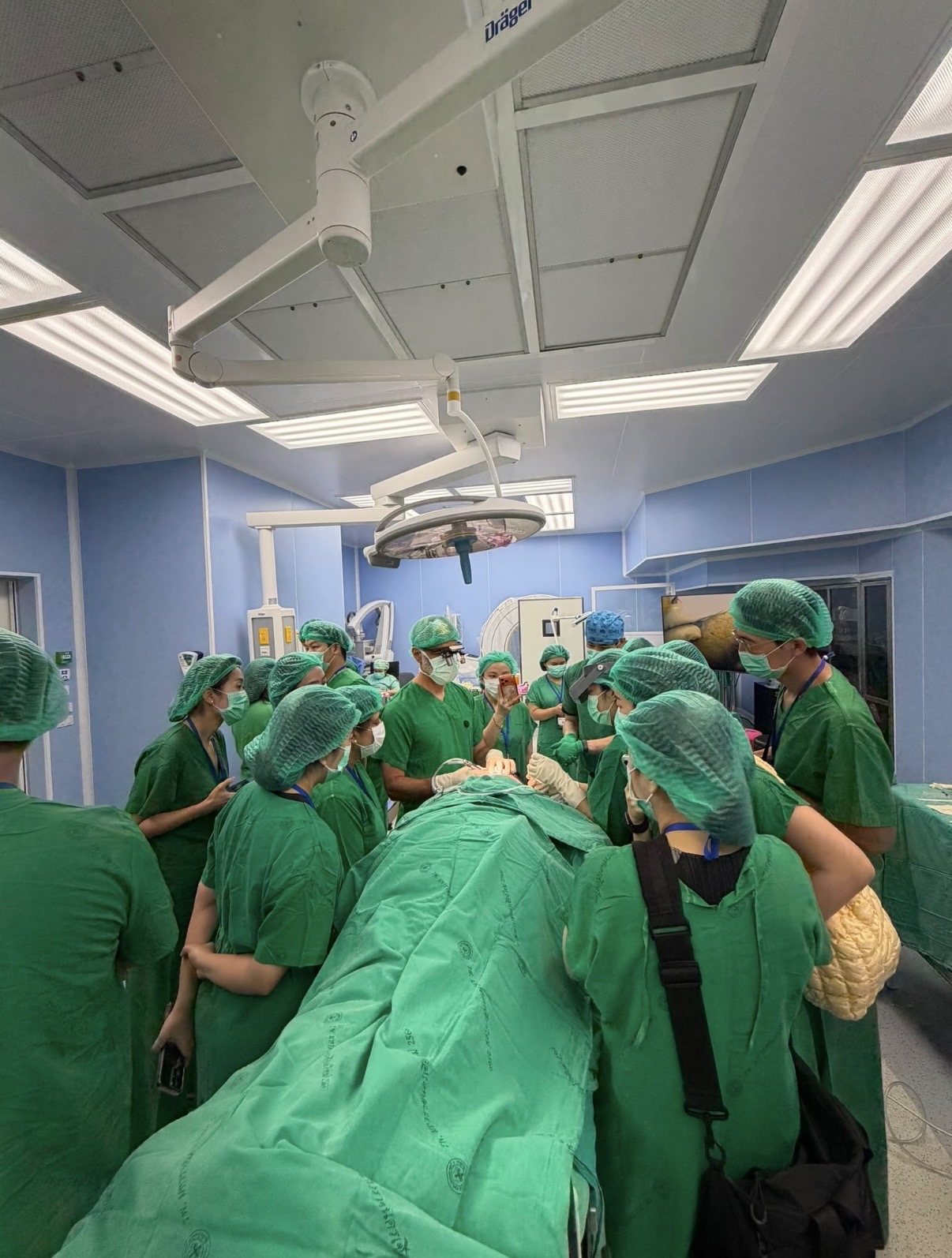
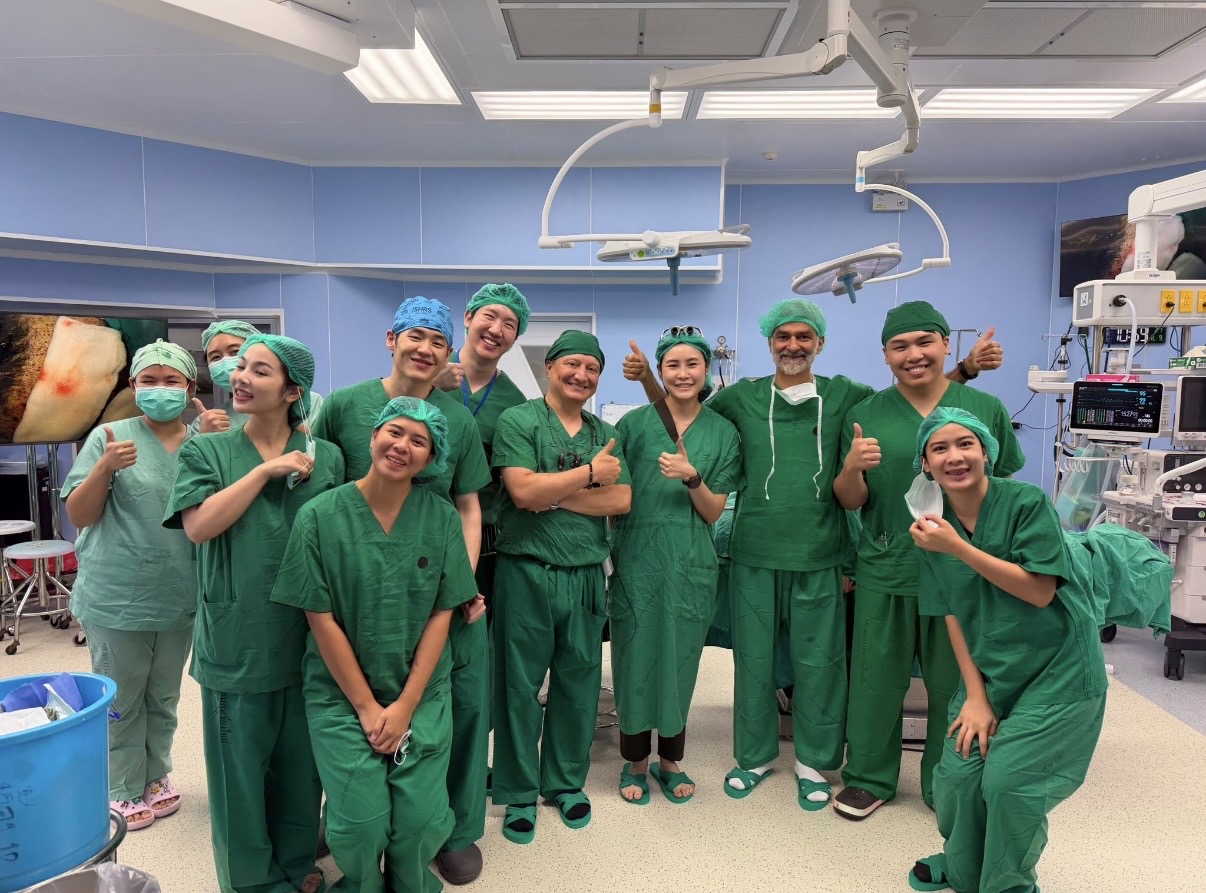
As faculty for the hands-on portion of the meeting, Dr. Mohebi demonstrated FUE extraction using the Trivellini extraction device in an Asian female patient.
The demonstration highlighted some of the delicacies involved in female Asian hair transplantation. Careful attention must be given to the relationship between the visible direction of the hair and the course of the follicular unit beneath the skin. Proper control of punch direction and depth is important for reducing follicular injury and preserving graft quality.
Female FUE also requires thoughtful donor management. Extraction should be carefully distributed to preserve visual density and minimize noticeable changes in the donor area, particularly in patients who wish to maintain their existing hairstyle.
During the workshop, Dr. Mohebi demonstrated how the Trivellini system can be adjusted according to the hair and tissue characteristics encountered during extraction. The demonstration also reinforced an important principle of modern FUE: advanced technology is most effective when combined with the surgeon’s understanding of follicular anatomy, tissue response, and the unique characteristics of each patient.
Bringing New Ideas Back to PMHR
Participation in international scientific meetings is an important part of PMHR’s commitment to continued education. It also complements the philosophy behind Parsa Mohebi University (PMU), which provides structured education and training for PMHR physicians and surgical teams.
The 10th AAHRS Scientific Meeting gave Dr. Mohebi an opportunity to share PMHR’s experience in repair surgery, Simultaneous Extraction and Placement (SEP), and advanced FUE while exchanging knowledge with colleagues from around the world.
Through lectures, panel discussions, and hands-on surgical education, these international collaborations help advance hair restoration techniques and ultimately contribute to safer procedures and more natural results.